

Regular HVAC maintenance helps Virginia homeowners improve energy efficiency, lower utility bills, extend equipment life, and reduce the risk of unexpected breakdowns. A complete maintenance checklist includes changing air filters, cleaning outdoor units, inspecting electrical components, checking refrigerant levels, testing the thermostat, and scheduling professional tune-ups before the heating and cooling seasons.
Key Facts
- HVAC maintenance can improve system efficiency and reduce monthly energy costs.
- Replacing air filters regularly helps maintain healthy indoor air quality.
- Seasonal inspections can identify small problems before they become costly repairs.
- Virginia’s hot, humid summers and cold winters make preventive HVAC maintenance especially important.
- Professional tune-ups help extend the lifespan of heating and cooling equipment.
- A well-maintained HVAC system provides more consistent comfort throughout the year.
- Preventive maintenance may help preserve manufacturer warranty requirements.
What Is an HVAC Maintenance Checklist?
An HVAC maintenance checklist is a structured list of routine inspections, cleaning tasks, adjustments, and performance tests designed to keep your heating and cooling system operating safely and efficiently.
Some maintenance tasks can be performed by homeowners, while others require the expertise of a licensed HVAC technician with specialized tools and equipment.
Following a consistent maintenance schedule helps prevent unexpected breakdowns, improve indoor comfort, and maximize your HVAC system’s performance throughout the year.
Why HVAC Maintenance Matters in Virginia
Virginia experiences a wide range of weather conditions throughout the year. Summers often bring high temperatures and humidity, while winters can produce freezing temperatures and occasional snow.
These seasonal changes place significant demands on heating and cooling systems.
Without regular maintenance, HVAC equipment must work harder to maintain comfortable indoor temperatures, leading to increased energy consumption, unnecessary wear, and a higher likelihood of mechanical failure.
Routine maintenance helps ensure your system is prepared for every season.
Complete HVAC Maintenance Checklist
1. Replace or Clean Air Filters
Air filters are one of the most important components of your HVAC system.
Dirty filters restrict airflow, forcing your equipment to work harder and consume more energy.
Most homeowners should inspect their filters monthly and replace them every one to three months, depending on:
- Filter type
- Household size
- Pets
- Indoor air quality
- Construction or renovation activity
- Allergy concerns
Clean filters improve airflow while helping remove dust, pollen, and other airborne particles.
2. Inspect Your Thermostat
A properly functioning thermostat keeps your home comfortable while reducing unnecessary energy use.
Check that:
- Temperature settings are accurate.
- The display functions properly.
- Scheduled programs operate correctly.
- Batteries are replaced if necessary.
If you still use a manual thermostat, upgrading to a programmable or smart thermostat may improve efficiency and comfort.
3. Clean Around the Outdoor Condenser Unit
Leaves, grass clippings, branches, and dirt can restrict airflow around the outdoor condenser.
Maintain at least two feet of open space around the unit.
Remove:
- Weeds
- Fallen leaves
- Shrubs touching the equipment
- Trash and debris
Good airflow allows your air conditioner to operate more efficiently during Virginia’s hot summers.
4. Inspect Air Vents and Registers
Walk through your home and make sure supply and return vents remain unobstructed.
Avoid blocking vents with:
- Furniture
- Curtains
- Rugs
- Storage boxes
Proper airflow helps maintain balanced temperatures throughout the home.
5. Check Condensate Drain Lines
Air conditioning systems remove humidity from indoor air.
The condensate drain carries this moisture away.
If the drain becomes clogged, it can cause:
- Water damage
- Mold growth
- System shutdowns
- Increased indoor humidity
A technician can inspect and clean the drain during seasonal maintenance.
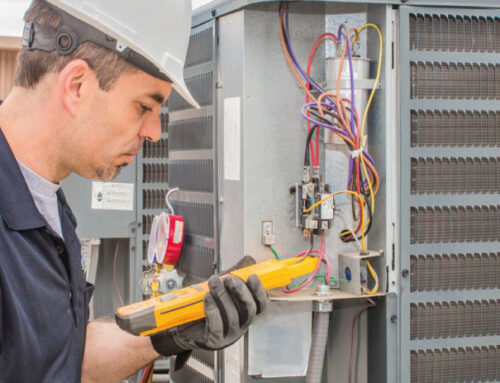
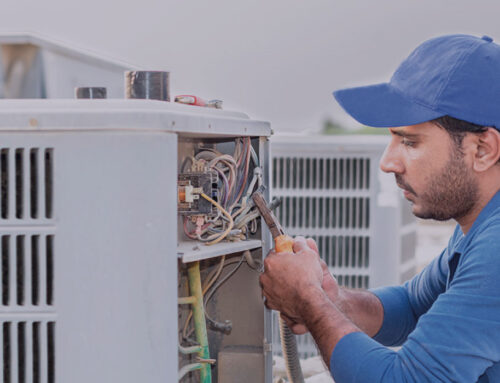
6. Examine Electrical Components
Professional inspections include checking:
- Electrical connections
- Wiring
- Capacitors
- Contactors
- Relays
- Safety controls
Loose electrical connections can reduce efficiency and create potential safety hazards.
7. Inspect Refrigerant Levels
Low refrigerant levels may indicate a leak.
Common warning signs include:
- Warm air from vents
- Longer cooling cycles
- Frozen evaporator coils
- Reduced cooling performance
- Higher energy bills
Only licensed HVAC professionals should diagnose and repair refrigerant issues.
8. Clean Evaporator and Condenser Coils
Over time, dirt accumulates on HVAC coils.
Dirty coils reduce heat transfer, making the system less efficient.
Professional cleaning restores performance while helping reduce energy consumption.
9. Lubricate Moving Parts
Motors, bearings, and other moving components benefit from proper lubrication when applicable.
Reducing friction helps minimize wear and extend equipment life.
10. Inspect Ductwork
Leaky or damaged ducts allow conditioned air to escape before reaching living spaces.
Signs of duct problems include:
- Uneven temperatures
- High utility bills
- Excessive dust
- Weak airflow
Professional duct inspections help identify leaks and improve system efficiency.
11. Test Heating System Performance
Before winter arrives, verify that your furnace or heat pump operates properly.
A seasonal inspection should include:
- Burner inspection (if applicable)
- Heat exchanger evaluation
- Ignition system testing
- Airflow verification
- Carbon monoxide safety checks
- System startup testing
Preparing early reduces the risk of emergency repairs during cold weather.
12. Schedule Professional HVAC Maintenance
While homeowners can perform basic maintenance, annual professional inspections remain essential.
A certified technician has the training and specialized tools needed to identify hidden problems before they become major repairs.
Professional maintenance also helps optimize efficiency and improve long-term reliability.
Seasonal HVAC Maintenance Checklist
Spring
Before cooling season begins:
- Replace air filter
- Clean outdoor condenser
- Test thermostat
- Schedule AC tune-up
- Inspect refrigerant performance
- Clean condensate drain
- Verify airflow throughout the home
Summer
During peak cooling season:
- Monitor system performance
- Replace filters if needed
- Keep outdoor unit free of debris
- Watch for unusual noises
- Address minor issues promptly
Fall
Prepare your heating system by:
- Replacing filters
- Testing furnace or heat pump
- Cleaning vents
- Scheduling heating maintenance
- Inspecting electrical connections
Winter
During heating season:
- Monitor indoor humidity
- Check carbon monoxide detectors
- Keep supply vents open
- Replace filters as needed
- Watch for unusual heating performance
Benefits of Preventive HVAC Maintenance
Routine maintenance offers numerous long-term advantages.
Lower Energy Bills
A clean, properly adjusted HVAC system uses less energy to maintain comfortable temperatures.
Longer Equipment Lifespan
Regular maintenance reduces wear on critical components, helping heating and cooling systems last longer.
Improved Indoor Air Quality
Clean filters and properly maintained equipment help reduce airborne dust, allergens, and pollutants.
Fewer Emergency Repairs
Identifying worn parts early often prevents unexpected system failures during extreme weather.
More Consistent Comfort
Proper maintenance improves airflow and temperature control throughout your home.
DIY Maintenance vs. Professional HVAC Service
| DIY Maintenance | Professional Maintenance |
|---|---|
| Replace air filters | Refrigerant inspection |
| Clean around outdoor unit | Electrical testing |
| Keep vents unobstructed | Motor and capacitor testing |
| Monitor thermostat | Coil cleaning |
| Visual inspections | Safety inspections |
| Basic cleaning | Full system performance evaluation |
Some maintenance tasks are safe for homeowners, while technical repairs and inspections should always be handled by qualified HVAC professionals.
Common HVAC Maintenance Mistakes to Avoid
Even homeowners who take good care of their HVAC systems can make mistakes that reduce efficiency or lead to expensive repairs. Avoid these common issues to keep your heating and cooling system performing at its best.
1. Forgetting to Replace Air Filters
A clogged air filter restricts airflow, causing your HVAC system to work harder. This can increase energy bills, reduce indoor comfort, and place unnecessary strain on system components.
2. Skipping Annual Professional Maintenance
While homeowners can handle basic upkeep, professional inspections are essential for identifying worn parts, refrigerant issues, electrical concerns, and safety hazards before they become major problems.
3. Blocking Supply or Return Vents
Furniture, rugs, or curtains placed over vents can restrict airflow and create uneven temperatures throughout your home.
4. Ignoring Unusual Sounds or Odors
Grinding, rattling, squealing, or burning smells should never be ignored. These warning signs often indicate developing mechanical or electrical issues that require prompt attention.
5. Neglecting the Outdoor Condenser
Leaves, grass, dirt, and other debris can reduce airflow around the outdoor unit, making your air conditioner less efficient during Virginia’s hot summer months.
6. Waiting Until the System Fails
Scheduling maintenance only after your HVAC system stops working often results in higher repair costs and unnecessary inconvenience. Preventive maintenance helps identify issues early.
Expert Tips from HVAC Professionals
- Replace standard air filters every one to three months, depending on usage and indoor conditions.
- Schedule professional maintenance in the spring before cooling season and again in the fall before heating season.
- Keep at least two feet of clearance around your outdoor condenser unit.
- Install a programmable or smart thermostat to improve comfort and reduce energy consumption.
- Seal air leaks around windows and doors to reduce the workload on your HVAC system.
- Monitor your monthly utility bills. A sudden increase may indicate an HVAC issue that needs inspection.
- Consider improving attic insulation to help maintain indoor temperatures year-round.
- Address small HVAC issues promptly before they develop into costly repairs.
Frequently Asked Questions
1. How often should I schedule HVAC maintenance?
Most HVAC professionals recommend scheduling maintenance twice a year—once in the spring for your air conditioner and once in the fall for your heating system.
2. How often should I replace my HVAC air filter?
Most homes benefit from replacing air filters every one to three months. Homes with pets, allergies, or heavy HVAC usage may require more frequent replacements.
3. Why is HVAC maintenance important?
Routine maintenance improves energy efficiency, extends equipment life, reduces breakdowns, enhances indoor comfort, and helps identify potential safety concerns before they become serious.
4. Can I perform HVAC maintenance myself?
Homeowners can safely replace air filters, clean around the outdoor unit, inspect vents, and monitor thermostat operation. More technical inspections and repairs should be completed by a licensed HVAC technician.
5. How long does an HVAC maintenance visit take?
A professional maintenance appointment typically takes between 60 and 90 minutes, depending on the type and condition of the system.
6. Does HVAC maintenance lower energy bills?
Yes. A properly maintained HVAC system operates more efficiently, which may reduce monthly heating and cooling costs.
7. What are signs my HVAC system needs service?
Common warning signs include:
- Weak airflow
- Inconsistent temperatures
- Strange noises
- Unpleasant odors
- Frequent cycling
- Higher-than-normal utility bills
8. Is HVAC maintenance required for warranty coverage?
Many manufacturers require routine maintenance to help maintain warranty eligibility. Review your warranty documentation for specific requirements.
9. Should I cover my outdoor AC unit during winter?
In many cases, only the top of the unit should be protected from falling debris. Completely covering the unit may trap moisture and encourage corrosion or pest activity. Follow the manufacturer’s recommendations.
10. When is the best time to schedule HVAC maintenance in Virginia?
The ideal times are before the busiest seasons—spring before summer cooling demand and fall before winter heating demand.
Why Choose Top AC Repair Virginia?
Keeping your HVAC system running efficiently requires experience, attention to detail, and dependable service. At Top AC Repair Virginia, homeowners receive professional heating and cooling solutions designed to improve comfort, energy efficiency, and long-term system performance.
Customers trust Top AC Repair Virginia because of its:
- Experienced HVAC technicians
- Comprehensive heating and air conditioning services
- Preventive maintenance programs
- High-quality workmanship
- Honest recommendations and transparent communication
- Prompt, dependable service
- Commitment to customer satisfaction
- Service throughout Virginia communities
Whether you need routine maintenance, emergency repairs, system replacement, or seasonal tune-ups, the team is committed to helping homeowners maintain reliable indoor comfort throughout the year.
Contact us
Routine HVAC maintenance is one of the smartest investments you can make in your home. It helps improve efficiency, lowers operating costs, reduces the risk of unexpected breakdowns, and extends the life of your heating and cooling equipment.
If you’re ready to prepare your HVAC system for the next season, contact Top AC Repair Virginia today.



Leave A Comment