

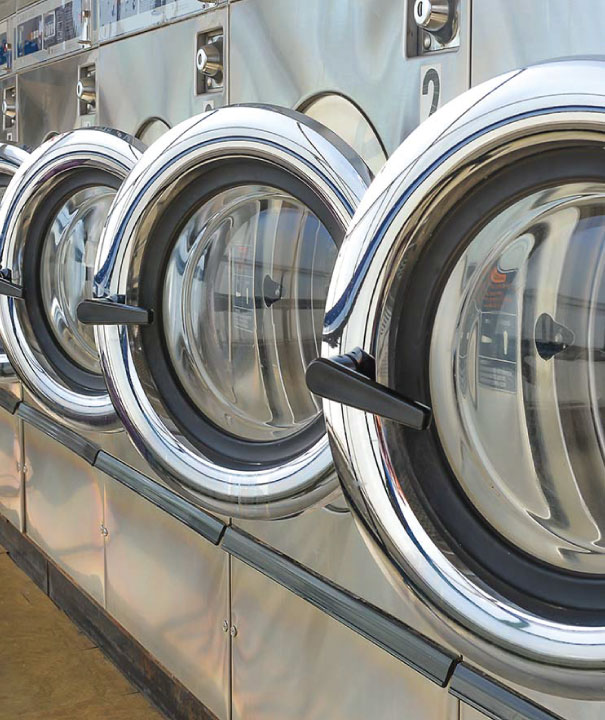
Laundry appliances are some of the hardest-working machines in any home. When your washer or dryer starts making unusual noises, leaves clothes soaking wet, or takes longer than normal to complete a cycle, it may be signaling the need for professional repair. Addressing these warning signs early can help prevent more expensive breakdowns, improve energy efficiency, and extend the life of your appliances.
If your washer or dryer is leaking, making loud noises, vibrating excessively, failing to start, not heating properly, or leaving clothes damp after a cycle, it’s time to schedule professional service. Prompt repairs can prevent additional damage, improve performance, and help you avoid the cost of replacing your appliance before it’s necessary.
Key Facts
- Most appliance problems begin with small warning signs before complete failure.
- Prompt repairs often cost less than waiting for a major breakdown.
- Regular maintenance helps extend the lifespan of washers and dryers.
- Strange noises, leaks, and burning smells should never be ignored.
- Energy efficiency often decreases when appliances are not operating correctly.
- Professional diagnostics help identify hidden issues before they become expensive repairs.
What Is Washer and Dryer Repair?
Washer and dryer repair is the process of diagnosing and fixing mechanical, electrical, or electronic problems that prevent laundry appliances from operating safely and efficiently. Professional technicians inspect the appliance, identify the root cause of the problem, replace defective components when necessary, and verify that the appliance operates correctly before completing the repair.
Why Prompt Appliance Repair Matters
Your washer and dryer handle hundreds of loads every year. Like any mechanical equipment, normal wear and tear eventually affects performance.
Ignoring early symptoms can lead to:
- Higher repair costs
- Water damage from leaks
- Increased energy bills
- Longer drying times
- Premature appliance replacement
- Safety risks from electrical or overheating issues
Scheduling service when you first notice a problem often saves both time and money.
Common Signs Your Washer Needs Repair
1. Water Leaking Around the Washer
Water on the floor is one of the most common warning signs.
Possible causes include:
- Damaged door seal
- Loose hose connections
- Cracked drain hose
- Worn water pump
- Overfilled tub
Even a small leak can damage flooring and encourage mold growth if left untreated.
2. Excessive Vibration or Shaking
While some vibration is normal, violent shaking usually indicates a problem.
Potential causes include:
- Unbalanced loads
- Worn suspension rods
- Damaged shock absorbers
- Uneven flooring
- Broken drum supports
A technician can determine whether the issue is mechanical or simply requires adjustment.
3. Washer Won’t Drain
Standing water inside the drum often points to:
- Clogged drain pump
- Blocked drain hose
- Faulty drain pump motor
- Lid switch failure
Ignoring drainage problems can strain other components.
4. Washer Won’t Spin
If clothes come out soaking wet, the spin cycle may not be working correctly.
Common reasons include:
- Broken drive belt
- Worn motor coupling
- Failed lid switch
- Faulty control board
5. Strange Noises During Operation
Grinding, banging, or squealing sounds are never normal.
These noises may indicate:
- Worn bearings
- Loose drum components
- Damaged drive system
- Motor issues
Professional diagnosis prevents additional damage.
Signs Your Dryer Needs Professional Service
Clothes Take Too Long to Dry
One of the first signs homeowners notice is longer drying times.
Possible causes include:
- Clogged vent
- Heating element failure
- Faulty thermostat
- Moisture sensor problems
- Restricted airflow
Long drying cycles waste energy and increase utility costs.
Dryer Isn’t Heating
If the dryer tumbles but produces no heat, the problem could involve:
- Heating element
- Thermal fuse
- Gas igniter
- Flame sensor
- High-limit thermostat
Professional testing ensures the correct component is replaced.
Burning Smell
A burning odor should always be taken seriously.
Potential causes include:
- Lint buildup
- Motor overheating
- Electrical wiring problems
- Failing belt
Stop using the appliance until it has been inspected.
Loud Screeching or Thumping
These sounds often result from worn moving parts.
Examples include:
- Drum rollers
- Idler pulley
- Blower wheel
- Drum bearings
Replacing worn components early prevents larger failures.
Dryer Won’t Start
Failure to power on may involve:
- Door switch
- Start switch
- Thermal fuse
- Power supply
- Electronic control board
A technician can safely test electrical components.
Washer Repair vs. Replacement
| Situation | Repair | Replacement |
|---|---|---|
| Minor component failure | ✔ Recommended | |
| Appliance under 10 years old | ✔ Usually worthwhile | |
| Major control board failure on older unit | Depends | ✔ Consider |
| Multiple recurring repairs | ✔ Often better | |
| Severe rust or structural damage | ✔ Recommended | |
| Minor leak or noisy operation | ✔ Best option |
DIY vs. Professional Repair
| DIY | Professional Service |
|---|---|
| Clean lint filter | Complete diagnostics |
| Check power supply | Electrical repairs |
| Level appliance | Motor replacement |
| Inspect visible hoses | Bearing replacement |
| Clean detergent drawer | Control board diagnostics |
| Basic maintenance | Safe testing and repairs |
How Regular Maintenance Prevents Repairs
Routine maintenance can significantly reduce unexpected breakdowns.
Helpful maintenance habits include:
- Clean the lint filter after every load.
- Inspect washer hoses regularly.
- Avoid overloading either appliance.
- Clean the dryer vent annually.
- Use the correct detergent.
- Leave the washer door open after use to reduce moisture buildup.
- Schedule professional inspections if performance changes.
Common Mistakes Homeowners Make
Many appliance problems become worse because of simple mistakes.
Ignoring Small Leaks
A slow leak rarely fixes itself. Water damage can quickly become more expensive than the repair itself.
Overloading the Machine
Heavy loads increase stress on motors, bearings, and suspension systems.
Continuing to Use a Noisy Appliance
Grinding or banging usually indicates worn parts that can damage additional components if ignored.
Skipping Dryer Vent Cleaning
Restricted airflow increases drying time and creates unnecessary strain on heating components.
Attempting Complex Repairs
Modern washers and dryers contain electrical systems, sensors, and computerized controls that require specialized tools and knowledge.
Expert Tips
- Address unusual sounds as soon as they appear.
- Replace worn hoses before they burst.
- Never ignore burning odors.
- Clean dryer vents at least once each year.
- Keep appliances level to reduce vibration.
- Use manufacturer-recommended detergent amounts.
- Schedule service before small problems become major repairs.
Frequently Asked Questions
How do I know if my washer needs repair?
Leaks, excessive vibration, failure to spin, drainage problems, unusual noises, and error codes are common indicators.
Why is my dryer running but not heating?
The heating element, thermal fuse, thermostat, or gas ignition system may have failed and should be professionally inspected.
Is it worth repairing an older washer?
If the repair cost is reasonable and the appliance has been reliable, repairing it is often more economical than immediate replacement.
Why are my clothes still wet after the wash cycle?
The washer may not be spinning properly due to a faulty lid switch, drive belt, motor, or drain system.
What causes loud dryer noises?
Worn drum rollers, bearings, pulleys, or blower wheels are common causes.
Can clogged dryer vents damage my dryer?
Yes. Restricted airflow forces the dryer to work harder, increasing wear and creating potential fire hazards.
How often should I have my appliances serviced?
Most homeowners benefit from annual maintenance, especially for frequently used appliances.
Can appliance repairs improve energy efficiency?
Yes. Properly functioning washers and dryers generally use less energy and complete cycles more efficiently.
Should I repair or replace my dryer?
Replacement is typically recommended only when repair costs are high compared to the appliance’s age and value.
Why Choose a Professional Appliance Repair Company
Choosing an experienced local appliance repair company gives homeowners confidence that repairs are completed safely and correctly.
A qualified technician can:
- Diagnose problems accurately
- Use quality replacement parts
- Complete repairs efficiently
- Test appliance performance before leaving
- Help prevent future breakdowns
- Provide honest recommendations when replacement is the better investment
For homeowners in Fairfax, VA, working with a trusted local company means faster response times, personalized service, and technicians who understand the needs of the community.
Contact us
If your washer or dryer is showing signs of trouble, don’t wait for a complete breakdown. Early repairs can save money, protect your home from additional damage, and restore the reliable performance you depend on every week.



Leave A Comment